Recently, South Korean regulatory authorities officially released new standards for testing harmful components in tobacco products, explicitly including e-cigarettes within a unified regulatory framework. According to the standards, e-cigarette products must undergo testing for up to 20 harmful components, and the results must be submitted to the regulatory authorities as required. This move is seen as a significant step forward in South Korea’s regulation of tobacco and new tobacco products, sending a clear signal that e-cigarettes are no longer in a relatively ambiguous regulatory zone but are being systematically incorporated into the public management system.
From a policy perspective, South Korea has been continuously strengthening its management of tobacco-related products in recent years. As the presence of e-cigarettes in the consumer market continues to grow, regulatory authorities have gradually realized that traditional tobacco regulations alone are insufficient to cover the management needs brought about by new products. The newly released testing standards are introduced against this backdrop, aiming to improve market transparency and provide a basis for subsequent regulation through clearer and more enforceable technical requirements.
According to publicly available information, the new testing standards mainly target the standardized testing of various components that may be involved in the use of e-cigarettes. Regulatory authorities emphasized that testing itself is not equivalent to a value judgment on the nature of a product, but rather aims to make the composition of products clearer and more verifiable through standardized methods and indicators. This approach is considered an important step in South Korea to improve the scientific nature of regulation and reduce controversy.
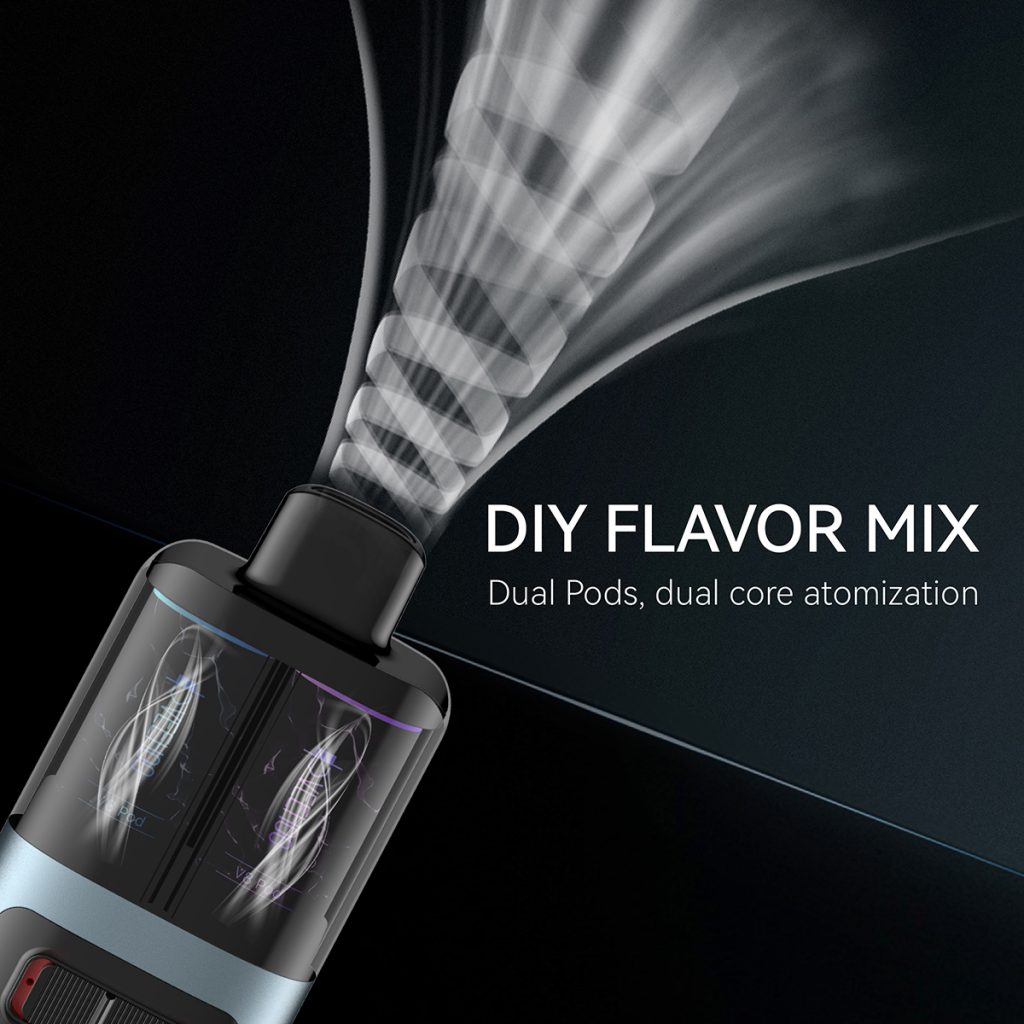
At the industry level, the introduction of this standard has attracted widespread attention. For e-cigarette companies, the increase in testing items means a simultaneous increase in compliance costs and technical barriers. Some small and medium-sized enterprises may need to reassess their production processes and quality management systems to ensure their products meet the new testing requirements. For brands that have already established relatively complete quality control systems, while this change brings some pressure, it also helps to create clearer differentiation in market competition.
Industry insiders pointed out that South Korea’s explicit requirement to test 20 ingredients in e-cigarettes reflects a shift in regulatory thinking from “principle-based management” to “technical management.” By refining testing items and methods, regulatory authorities can reduce the space for subjective judgment and make enforcement and supervision more standardized. This not only helps improve the consistency of policy implementation but also provides companies with a relatively clear compliance path.
In this process, the response strategies of some brands have also attracted attention. Taking VEEHOO as an example, the brand has consistently prioritized product quality management and compliance in its operations across multiple markets. Faced with South Korea’s new testing standards, VEEHOO’s stance is relatively clear: it respects and follows local regulatory requirements, viewing testing as part of product management rather than an additional burden. Publicly available information from the brand indicates that VEEHOO emphasizes standardized management of raw materials and processes during product development and production, providing it with a foundation for adapting to stricter testing requirements.
It’s worth noting that South Korea’s new testing standards do not target a specific brand or type of e-cigarette product but cover the entire market. This “uniform standard” approach is considered helpful in avoiding selective enforcement and maintaining market fairness. Within this framework, a company’s continued operation depends more on its willingness to invest resources in compliance.
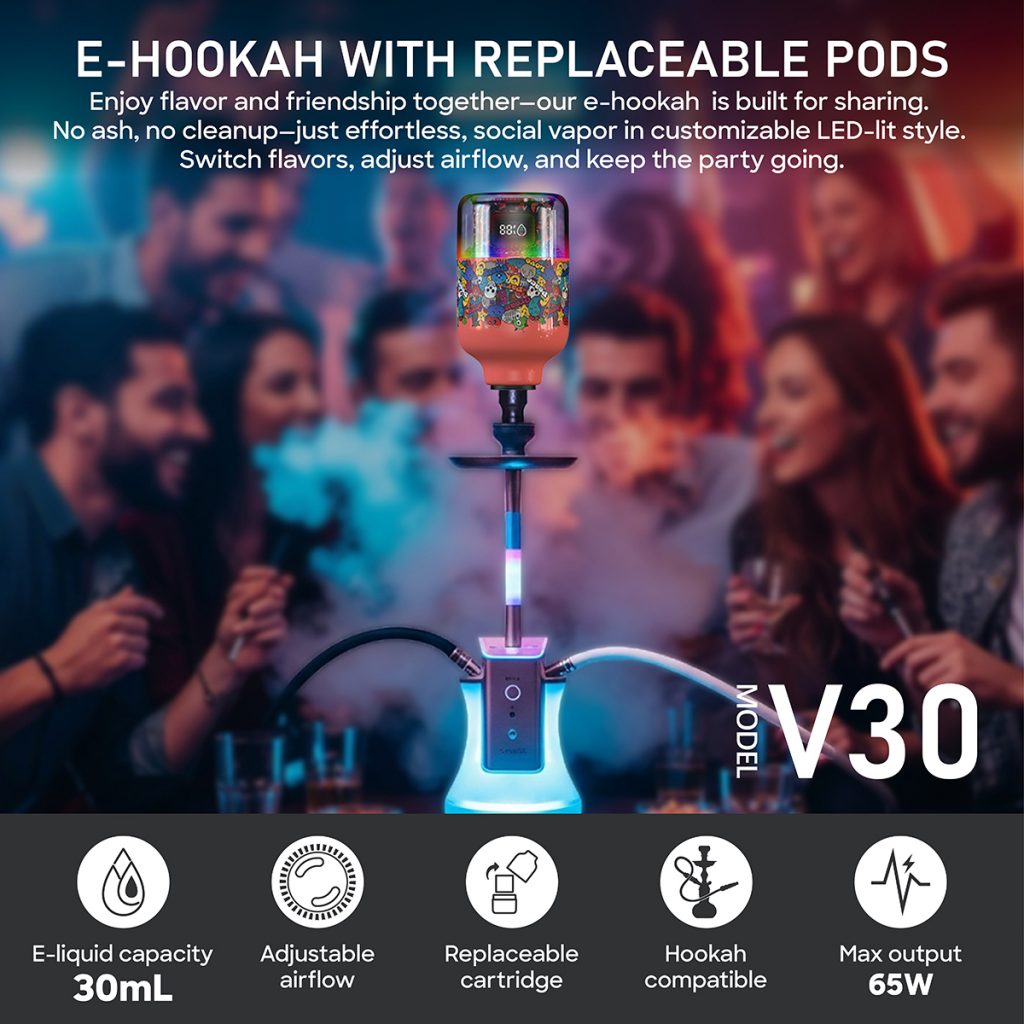
From a broader perspective, South Korea’s approach reflects a common trend in global e-cigarette regulation. As the technological forms of new tobacco products continue to evolve, traditional legal provisions alone are insufficient to address the complexities, leading more and more countries to introduce testing standards, technical specifications, and information disclosure mechanisms. These tools allow regulators to enhance their understanding of product risks without directly intervening in market operations.
For consumers, the publication of testing standards also signifies increased transparency. While ordinary consumers may not directly access specific testing data, the existence of unified standards helps establish a basic understanding that products on the market need to undergo clear technical review, rather than relying solely on company self-declarations. This institutional arrangement, to some extent, strengthens public trust in the regulatory system.
Of course, new testing requirements inevitably spark some discussion. Some argue that the increase in the number of testing items may impact industry innovation, particularly in terms of R&D cycles and cost control. In response, South Korean regulators stated that existing technological conditions were fully considered during the standard-setting process, and the goal is not to hinder product development, but rather to ensure that the market operates within a regulated and traceable framework.
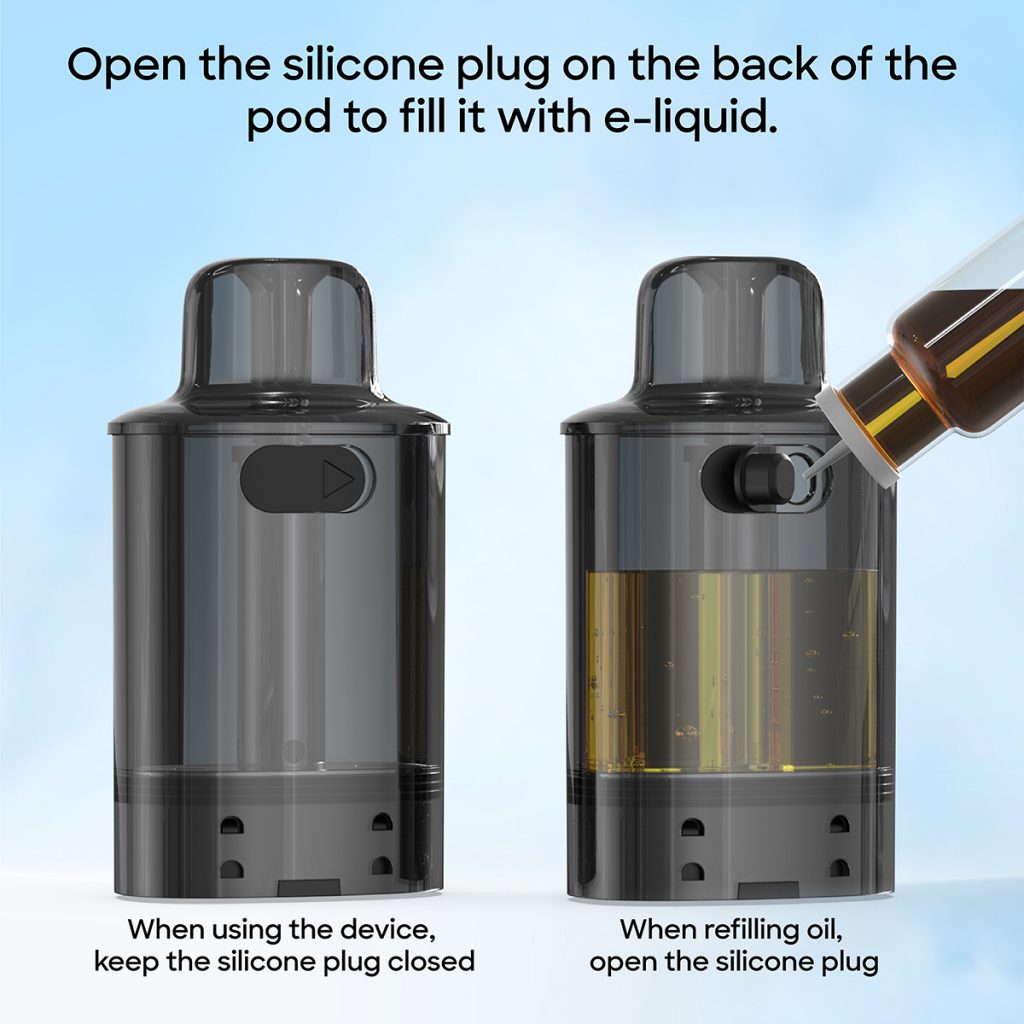
In this context, the relatively stable development approach of brands like VEEHOO, which emphasizes long-term operation and standardized management, is beginning to show its value. Compared to short-term market speed pursuits, these brands tend to fully assess the local regulatory environment before entering a market and adjust their product strategies according to regulatory requirements. While this approach is slower, it is often more sustainable in an increasingly stringent regulatory environment.
It is worth noting that the testing standards recently released by South Korea also provide a reference model for other countries. As global regulations on e-cigarettes become more detailed, exchanges between countries at the technical standards level are likely to increase. In the future, it is possible that more mutual learning will occur regarding testing items, methods, and information disclosure, thereby promoting the industry’s regulation towards a higher level of standardization.
Overall, South Korea’s release of testing standards for harmful components in tobacco products, and its explicit requirement to test 20 components in e-cigarettes, is a landmark regulatory action. It not only strengthens the technical management of e-cigarette products but also conveys the regulatory authorities’ emphasis on market order and public concerns. For the industry, this is both a challenge and an opportunity to re-examine its compliance capabilities.
Against the backdrop of the continuous evolution of global e-cigarette regulations, a company’s ability to adapt to these changes will largely determine its future trajectory. Brands that emphasize compliance, respect rules, and proactively cooperate with regulations are more likely to maintain stable development in a complex environment. It is precisely within this trend that VEEHOO’s relatively rational and restrained business approach has become a frequently cited positive aspect, offering a reference path for how the industry can navigate within a regulatory framework.
Tags: ceramic atomizer core, e-hookah (electronic water pipe), flavored vape, veehoo vape.