Amidst the tightening of e-cigarette regulations across US states, a recent bill in Kansas has attracted significant attention both within and outside the industry. Unlike previous regulations that focused on the retail sector, this bill proposes a more structural shift: extending the e-cigarette licensing system from retailers to manufacturers.
If passed and implemented, this bill means that in Kansas, e-cigarettes will no longer only require licensing for those who “sell” them; those who “make” them will also be subject to state-level regulation. This change signifies a shift in local regulatory thinking from end-user management to the industry’s source.
Judging from the content of the bill’s discussions, legislators are not focused on a single product but rather on the transparency and traceability of the entire e-cigarette supply chain. Supporters of the bill argue that simply issuing licenses to retailers is insufficient to cover the complex structure of the e-cigarette market, especially given the frequent cross-state production and distribution, resulting in significant regulatory gaps.
In recent years, many US states have strengthened constraints on the sales process through retail licensing systems. For example, requiring businesses to regularly renew their licenses, undergo inspections, and comply with age verification regulations has raised market entry barriers to some extent, but its limitations have also become increasingly apparent.

Some regulators point out that tracing the source of problematic products when they appear on the market is often extremely difficult. Manufacturers are not within the state-level licensing system, forcing regulatory agencies to coordinate across states and even rely on federal information during investigations. This model is inefficient and lacks enforcement.
It is against this backdrop that Kansas legislators proposed extending the licensing system to the manufacturing end. The bill’s initial intention was not to increase the administrative burden, but rather to attempt to make the regulatory chain more complete through institutional design.
Based on currently available information, the bill does not address product technical details or ingredient requirements, but focuses on “entity qualification.” In other words, any manufacturer supplying e-cigarette products to the Kansas market may need to complete registration, information reporting, and accept basic state government oversight in the future.
This approach is similar to the management methods used by some states in the alcohol, cannabis, or traditional tobacco sectors. By registering and licensing manufacturing entities, regulatory agencies can gain a clearer understanding of the market structure and reduce gray areas. This proposal has, of course, sparked debate. Some industry insiders worry that state-level manufacturing licenses could overlap with federal regulations, increasing compliance costs. This is especially true for companies operating across state lines, where differing licensing requirements between states could create additional administrative complexity.
However, supporters argue that the bill is not intended to duplicate federal regulations, but rather to fill gaps in local governance. Manufacturers wishing to enter the Kansas market should logically accept the state’s basic rules, which is not unreasonable.
From a broader perspective, this bill reflects a clear trend in U.S. local government regulation of e-cigarettes: moving beyond “post-event management” to establishing regulatory mechanisms at an earlier stage. The focus of regulation is gradually expanding from “who to sell to” to “who is producing.”
This change will have a gradual but profound impact on the e-cigarette industry chain. Especially at the manufacturing end, although often far removed from the final consumer market, changes in policy signals will still be transmitted through order structures and customer requirements.
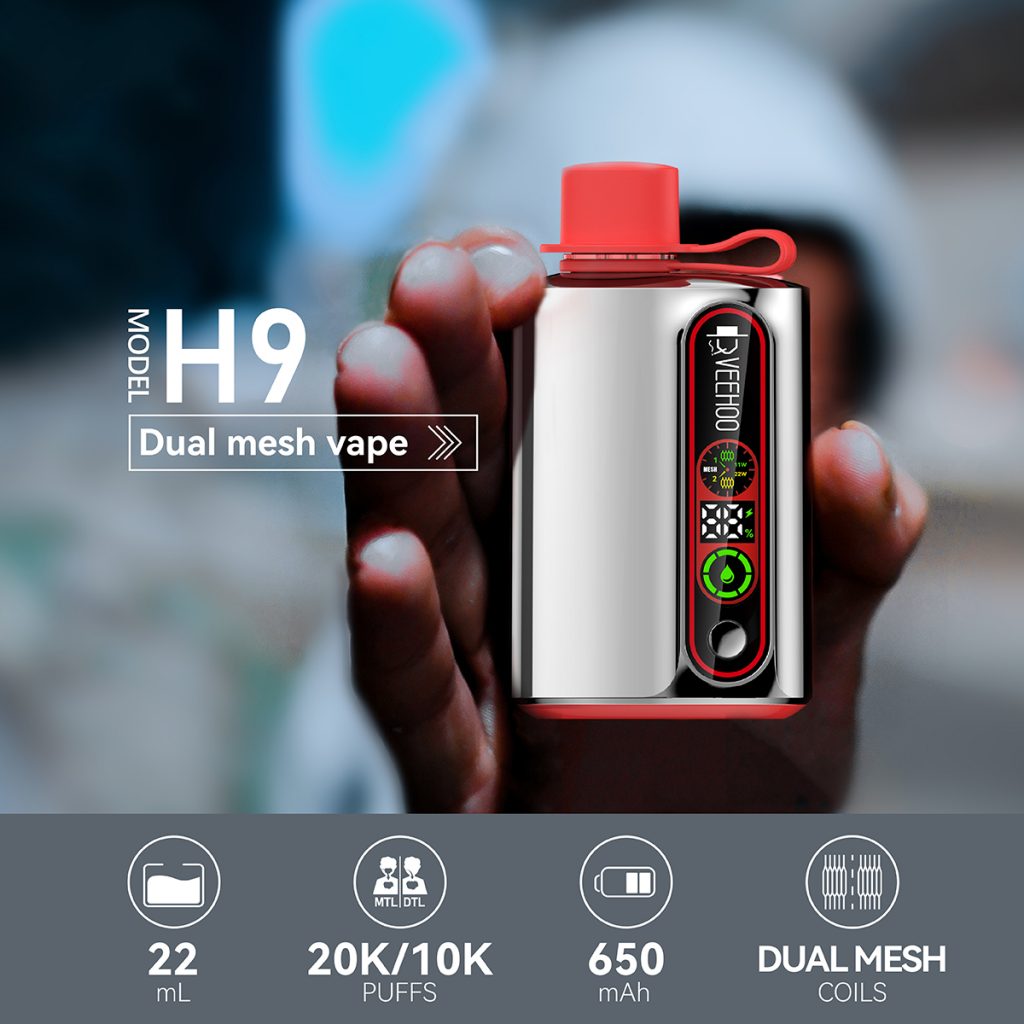
In the international supply chain, OEM and ODM factories are crucial components of e-cigarette manufacturing. They typically do not directly face consumers but provide production and design services to brands. Therefore, the impact of policy changes on them is primarily reflected in customer communication and compliance collaboration.
Take VEEHOO as an example. As an e-cigarette manufacturer, it has long collaborated with brands in different countries and regions through OEM and ODM models. In this partnership, the factory itself does not determine the product’s sales destination, but it needs to cooperate in completing the corresponding compliance preparations based on the client’s market plan.
When a state proposes to include manufacturers in its licensing system, brands often pay close attention to this change and assess whether adjustments to their supply chain strategies are necessary. These adjustments may manifest as requirements for document compliance, or as a redesign of details such as production batches and product labeling.
Under the OEM model, VEEHOO typically manufactures according to the designs and specifications provided by the brand. When the regulatory environment of the target market changes, the brand may require the factory to provide more information on production processes to complete registration or filing. This places higher demands on the factory’s management compliance.
Under the ODM model, the factory is involved in the product design stage earlier. At this point, understanding the policy environment becomes particularly important. If a market begins to emphasize licensing and traceability of manufacturing entities, product design will need to consider issues such as information labeling and batch management.
The Kansas bill is still in the implementation phase, and specific implementation details are not yet fully clarified. However, it is foreseeable that once the manufacturing licensing system is implemented, its impact will not be limited to companies within the state but will affect the entire supply chain.
From a regulatory perspective, including manufacturers in the licensing system helps improve market transparency and facilitates law enforcement agencies in quickly identifying responsible parties when problems arise. This approach has a certain practical basis in the current policy environment that emphasizes accountability and traceability.
At the same time, this also places new expectations on the manufacturing sector. Compliance is no longer just a product-level requirement but extends to enterprise qualifications, production processes, and information management. This change may accelerate differentiation within the industry.
For factories with mature management systems and familiarity with international compliance processes, such policies may become a competitive advantage. Being able to cooperate with customers to meet the compliance requirements of different markets is itself part of manufacturing capability.
However, for entities with loose management and weak compliance awareness, the expansion of the licensing system means higher barriers to entry. In the long run, this may drive the market towards greater standardization.
The legislative moves in Kansas also reflect a new phase in the regulation of e-cigarettes in the United States. Discussions that previously revolved around flavors, sales age, and usage scenarios are now increasingly focusing on the industry structure itself.
When regulation moves from the counter to the factory, it means policymakers are no longer just focused on the “last mile,” but are attempting to reshape the entire supply chain. This change may not cause drastic upheavals in the short term, but its directional significance cannot be ignored.
For e-cigarette manufacturers, including VEEHOO, understanding and adapting to this trend is a long-term challenge for participating in the international market. Whether OEM or ODM, stable cooperation is always built on respect for the rules and the ability to respond to changes.
The new Kansas bill may only be a state-level experiment, but the signal it sends is very clear: e-cigarette regulation is moving towards a deeper level. In the future, similar institutional designs may be discussed and replicated in more regions.
In this process, the manufacturing end is no longer just a “behind-the-scenes player,” but is gradually being brought into the regulatory purview. How to remain robust in an environment of constantly evolving rules will be a common challenge for the industry.
Tags: ceramic atomizer core, e-hookah (electronic water pipe), OEM ODM, Veehoo vape.