In Malaysia, the controversy surrounding the regulation of liquid nicotine is moving from policy discussions to judicial rulings. Recently, three non-governmental organizations (NGOs) formally filed a lawsuit in the High Court, accusing the government of lacking sufficient legal basis for “relaxing” regulations on liquid nicotine and potentially undermining the existing public management framework. The court has set its verdict for May 15th, a date that has further intensified the already sensitive issue of regulation.
This case is not an isolated incident. In recent times, Malaysia has experienced repeated policy adjustments and public debates regarding the regulation of new tobacco and e-cigarette products. On the one hand, the government hopes to address market changes and the realities of taxation and enforcement through more flexible management methods; on the other hand, some social organizations worry that changes in regulatory standards may lead to unpredictable consequences.
The three NGOs that filed the lawsuit have long been concerned with tobacco control and related public issues. In their lawsuit, these NGOs argued that the relaxation of regulations on liquid nicotine involves not just a single product category, but the stability and consistency of the entire regulatory system. They believe that significant changes in the control standards for key substances without sufficient legislative and public discussion could easily trigger a chain reaction of problems.
The government, on the other hand, emphasized that the policy adjustments were not “laissez-faire,” but rather administrative optimization within the existing legal framework. Supporters argued that in the face of a rapidly changing market, relying solely on existing strict restrictions may not achieve the desired management effect and could even increase the costs of underground distribution and enforcement.
It is precisely this divergence of positions that led the case to the judicial process. The High Court’s ruling will not only determine the compliance of a specific policy but may also serve as a model for how Malaysia should adjust its regulatory path for new tobacco products in the future.
From the case itself, the focus of the dispute is not on the attributes of the product itself, but on “how regulatory power is exercised.” The NGOs emphasized procedural legitimacy and policy transparency, arguing that any adjustments involving key regulatory variables should be completed through clearer legal procedures. The government, however, emphasized practical governance needs and hoped to retain a certain degree of administrative flexibility.
This divergence is not uncommon globally. As e-cigarettes and related products continue to evolve, many countries are repeatedly weighing the options between “strict restrictions” and “refined management.” This lawsuit in Malaysia is a concentrated manifestation of this tension.
For the industry, such judicial processes are often more uncertain than simple policy statements. Policies can be adjusted, regulations can be revised, but once judicial review begins, the outcome often has stronger binding force. The May 15th ruling is therefore seen as a significant turning point.
From a market perspective, Malaysia is not the world’s largest e-cigarette consumer market, but its policy trends have certain reference value within the region. Many Southeast Asian countries have taken different paths in regulating new tobacco products, and Malaysia’s choice is often seen as representative of a “middle road.”
If the court supports the NGO’s claims, it means that the government will need to return to stricter legal procedures when adjusting regulatory policies, and may even need to amend existing arrangements. If the court approves the government’s approach, it may leave the executive branch with greater room for maneuver in similar issues.
This uncertainty is also transmitted cascading through the industry chain. Although the lawsuit targets domestic regulatory policies, its impact extends beyond the policy text. Brands, distributors, and even manufacturers will reassess their market strategies based on the judgment.

In the global e-cigarette industry, OEM and ODM factories often operate relatively “behind the scenes,” yet they are equally sensitive to policy changes. They don’t directly participate in marketing or retail, but they need to quickly adjust production and compliance methods according to their clients’ market plans.
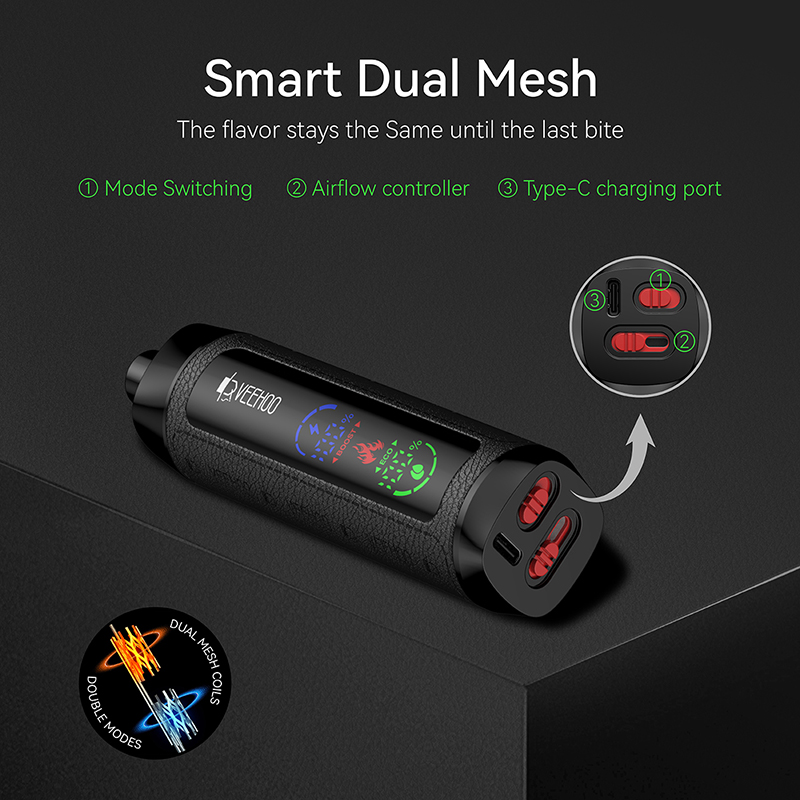
For example, VEEHOO, as an e-cigarette manufacturer, primarily collaborates with brands in different countries and regions through OEM and ODM models. The factory itself doesn’t participate in the formulation of local Malaysian policies, but when the regulatory environment of the target market changes, brands often immediately communicate the new compliance requirements to the manufacturer.
In OEM collaborations, VEEHOO typically produces according to the brand’s predetermined designs and parameters. If market policies become stricter, brands may re-evaluate their product portfolio, reducing the release of certain models or delaying related orders. These changes are ultimately reflected in the factory’s production scheduling and delivery arrangements.
Under the ODM model, the factory participates in the early discussions of product solutions. At this juncture, anticipating policy uncertainties is particularly crucial. Whether design plans need to accommodate different specifications and whether multiple compliant versions of documents need to be prepared will become key points of discussion.
It’s worth noting that the lawsuit filed by the NGO did not involve any debate over medical effects or health claims, but rather focused on regulatory procedures and legal basis. This kept the case discussion relatively focused, avoiding complex disputes in technical or professional areas.
From a regulatory practice perspective, judicial intervention does not mean negating administrative management itself, but rather requiring it to operate within the established legal framework. For market participants, this process of clarifying boundaries, while bringing uncertainty in the short term, helps to form more stable expectations of rules in the long run.
This case in Malaysia also reminds all parties in the industry that the regulation of new tobacco products is not simply a market issue, but a comprehensive issue involving legal, administrative, and social interactions. Any action by any party can amplify its impact through institutional channels.
Before the verdict is announced, the market can only remain largely in a wait-and-see mode. Brands may slow down their decision-making process, while manufacturers need to maintain flexibility. This “waiting state” is itself one of the costs brought about by regulatory uncertainty.
From a longer-term perspective, regardless of the High Court’s final ruling, this case has already heightened public awareness of regulatory transparency and policy procedures. It has made “how to formulate the rules” itself the focus of discussion, rather than just “what the rules should contain.”
For manufacturing plants like VEEHOO, continuously monitoring changes in the regulatory environment of various countries and maintaining compliance awareness in OEM and ODM collaborations are fundamental prerequisites for participating in the international market. In the context of frequent policy adjustments and increased judicial scrutiny, a stable and standardized production system has become a long-term advantage.
The May 15th ruling will bring a temporary close to the controversy surrounding the regulation of liquid nicotine in Malaysia, but the discussion surrounding the management of new tobacco products will clearly not end there. For the industry, this is both a legal event and a window into the direction of regulation.
Tags: ceramic atomizer core, e-hookah (electronic water pipe), OEM ODM, veehoo vape.