South Korea’s tobacco regulatory system is entering a new phase. With the formal implementation of relevant new laws, the South Korean government has launched a mechanism for disclosing information on harmful ingredients in tobacco products and plans to release testing data on heated tobacco and e-cigarettes in batches throughout the year. This move is seen as an important extension of South Korea’s tobacco control policy and is also considered by the industry as a key attempt in the Asia-Pacific region towards “information-transparent regulation.”
Unlike previous regulatory approaches that focused on sales, advertising, and usage restrictions, this time, South Korean regulation has clearly shifted its focus forward, directly targeting the products themselves. Through institutionalized information disclosure, regulatory authorities hope to provide consumers, research institutions, and the general public with a clearer understanding of the ingredients contained in new tobacco products, while also providing a more solid data foundation for subsequent policy-making.
According to public statements from South Korea, the new mechanism will cover multiple product categories, including traditional cigarettes, heated tobacco, and e-cigarettes. The detection and disclosure of harmful ingredients in e-cigarettes and heated tobacco are particularly noteworthy. The relevant data will be released under government leadership, rather than relying on voluntary disclosure by companies or market speculation. From a policy perspective, this change is not an isolated event. In recent years, with the increasing popularity of heated tobacco products and e-cigarettes in the South Korean market, discussions surrounding their ingredients, risks, and regulatory approaches have intensified. Unlike traditional cigarettes, these products differ in their technological structure and usage, putting existing regulatory frameworks under pressure to adapt. Information disclosure mechanisms were brought to the forefront in this context.
South Korean health authorities have repeatedly emphasized that information disclosure is not equivalent to value judgments, but rather a fundamental governance tool. Through standardized testing and unified release, the government hopes to avoid misunderstandings caused by information asymmetry while improving the predictability of regulation. This is considered by many observers to be the core logic of the policy.
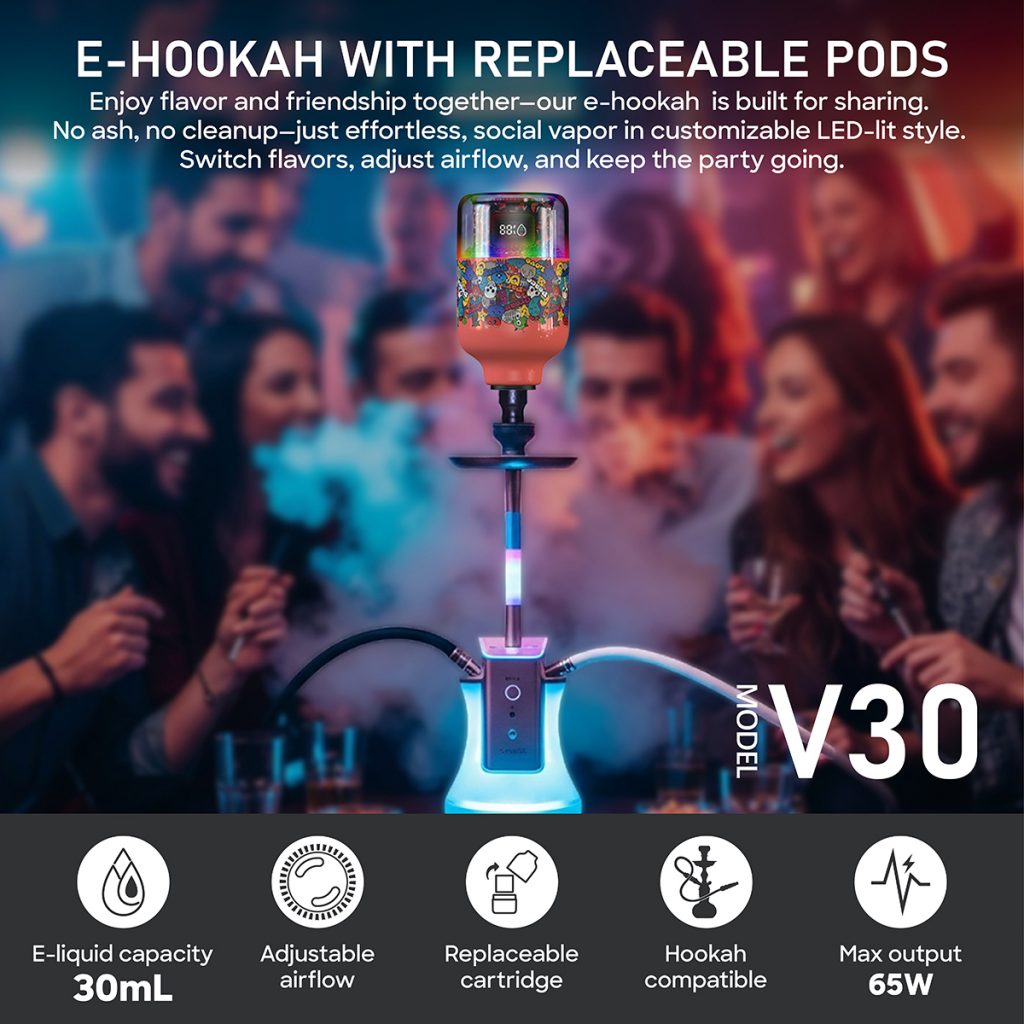
Specifically, the new mechanism requires relevant products to submit test results for harmful ingredients, which will be officially released to the public. The released content focuses primarily on the names of the ingredients and their testing results, rather than directly providing risk ratings or usage recommendations. This approach maintains regulatory neutrality to some extent and leaves room for future research.
For the market, this change means that “ingredient transparency” will gradually become the norm. Previously, discussions about e-cigarettes and heated tobacco products tended to focus on user experience or macro-level impacts, with relatively limited information available to the public regarding the product’s internal composition. This situation will change with the gradual release of official data.
At the industry chain level, the impact of information disclosure mechanisms is equally significant. For brands, product ingredients will be more directly exposed to the public, and any design choices may be amplified and interpreted. For manufacturers, especially those acting as OEMs or ODMs, compliance requirements and technical standards will become even more crucial.
Manufacturing companies like VEEHOO have long served different markets and brands through OEM and ODM models. In this model, factories do not directly face consumers, but their production processes, raw material selection, and quality control levels are ultimately reflected in the product’s composition. The advancement of South Korea’s information disclosure mechanism indirectly brings these “behind-the-scenes” aspects to the forefront.
In OEM collaborations, factories often strictly adhere to the formulas and specifications provided by clients; however, under the ODM model, factories intervene earlier in the product design stage, offering suggestions on structure, materials, and manufacturing processes. Regardless of the model, in a regulatory environment where ingredients are disclosed, manufacturers need to place greater emphasis on standardization and traceability.
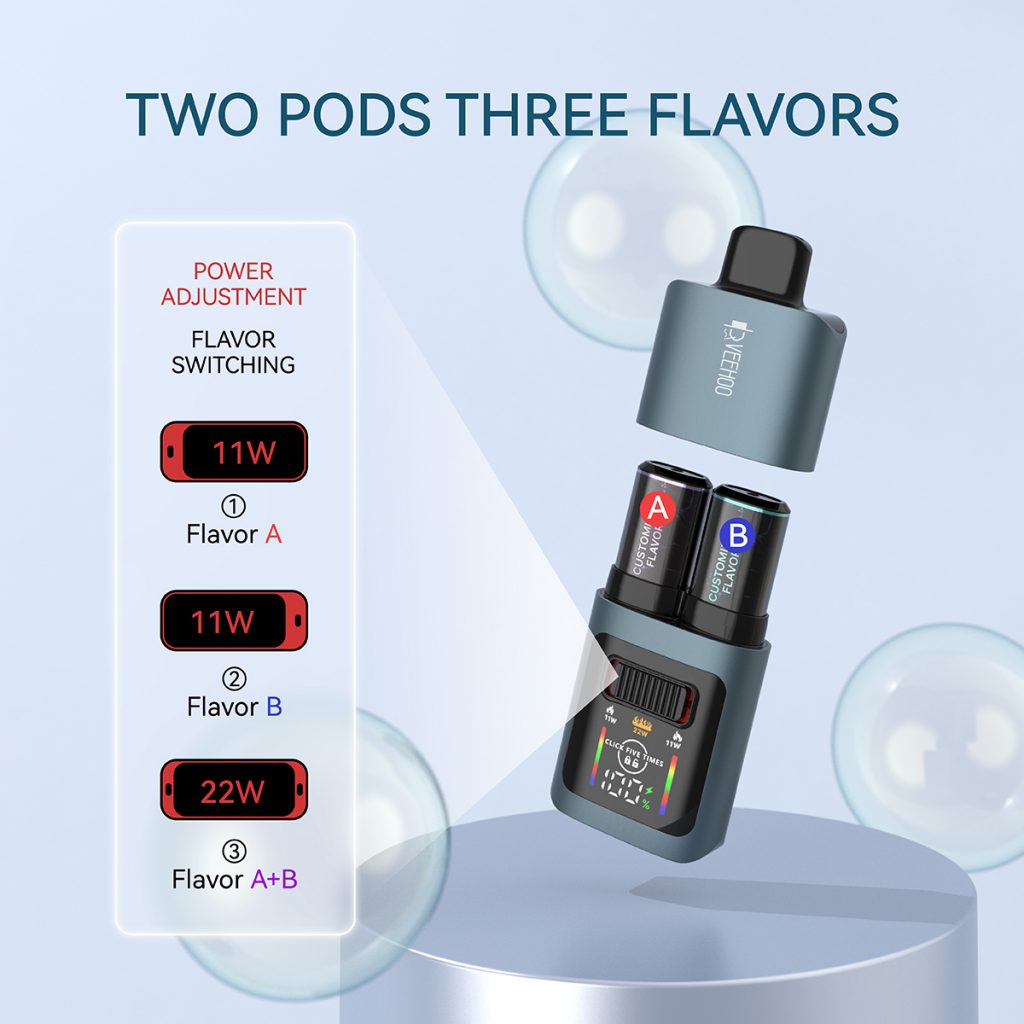
This shift is not unique to any single country. Globally, more and more regulatory agencies are focusing on the “transparency of information about the product itself,” rather than just whether sales practices are compliant. South Korea’s recent action is seen as a concrete manifestation of this trend in East Asia.
It is noteworthy that South Korea has not introduced overly complex technical barriers into the new mechanism, but rather emphasizes the uniformity of testing standards and information dissemination. This approach helps avoid misunderstandings between different products and batches, while also reducing implementation costs. For manufacturers, this means that as long as production is carried out according to clear standards, they can better adapt to the regulatory environment.
From an industry perspective, some companies are cautious about information disclosure, worrying that data may be misinterpreted, leading to unnecessary public pressure; others believe that transparency helps establish more stable market expectations and reduce long-term uncertainty. This divergence itself reflects that the regulation of new tobacco products is currently in a period of adjustment.
For consumers, the information disclosure mechanism provides a new dimension of reference. Although the authorities have not directly interpreted the data, the disclosure of ingredient names and testing details at least provides a basis for rational discussion. This “data-driven” approach is not unfamiliar in public governance.
From a policy perspective, South Korea plans to release data on heated tobacco and e-cigarettes gradually throughout the year, rather than all at once. This phased approach helps society digest the information gradually and allows regulatory authorities to adjust their communication methods based on feedback.
In this process, the stability of the manufacturing end is particularly important. Factory-type companies like VEEHOO, which typically serve multiple countries and regions, have experience in handling transitions between different regulatory frameworks. Faced with information disclosure requirements, factories are more concerned with whether the testing process is clear, whether standards are uniform, and how to achieve compliance without adding unnecessary burdens.
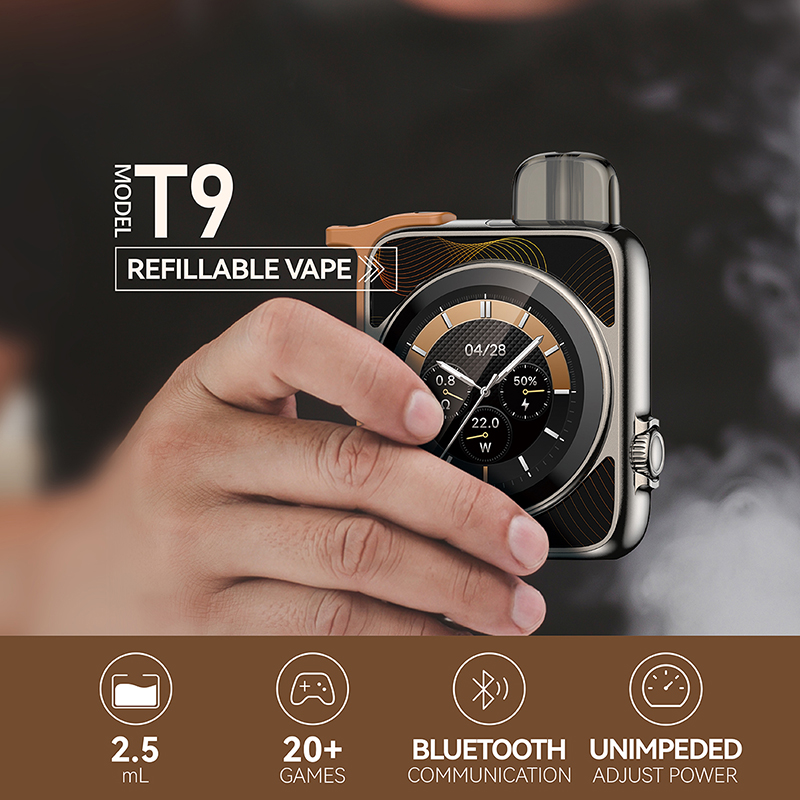
This also leads to a re-examination of the OEM and ODM models themselves. In the past, some brands focused more on market promotion and channel development, leaving compliance details entirely to the manufacturing end; in the context of increased information transparency, the need for communication between brands and factories has significantly increased, requiring both parties to reach a consensus on the regulatory requirements of the target market at an earlier stage.
From a broader perspective, South Korea’s launch of the harmful ingredient information disclosure mechanism does not mean that the regulatory direction has been finalized. Instead, it serves as a starting point, accumulating data to inform future policy adjustments. This “transparency first, assessment later” approach contrasts with some countries that directly impose bans or high taxes.
For the international market, South Korea’s approach also has demonstrative significance. Especially in regions where regulations on e-cigarettes and heated tobacco products are not yet fully unified, information disclosure can be a relatively mild but far-reaching tool. It neither directly intervenes in consumer behavior nor immediately changes market structure, yet it can shape industry standards in the long term.
Overall, South Korea’s new mechanism for disclosing harmful ingredient information, initiated under the new law, marks a new stage in tobacco regulation that emphasizes “visibility.” Regulators, businesses, and consumers will gradually adapt to this data-driven approach to discussion.
For manufacturers, this change presents both challenges and opportunities. Standardized production, clear record-keeping, and stable processes will be key to navigating transparent regulation. Factories like VEEHOO, whose core business is OEM and ODM, play a role not so much in making pronouncements, but in supporting the smooth operation of the entire supply chain through compliance and professionalism during this period of change.
As relevant data is gradually released throughout the year, the focus of discussion in the South Korean market may shift from “whether or not to regulate” to “how to understand and use this information.” This shift is precisely the effect that the information disclosure mechanism aims to achieve. Against the backdrop of the ongoing evolution of global tobacco and new tobacco regulation, this step by South Korea clearly deserves continued attention.
Tags: ceramic atomizer core, e-hookah (electronic water pipe), OEM ODM, veehoo vape.